
The Secret Story of Japan's Legendary Mid Night Club
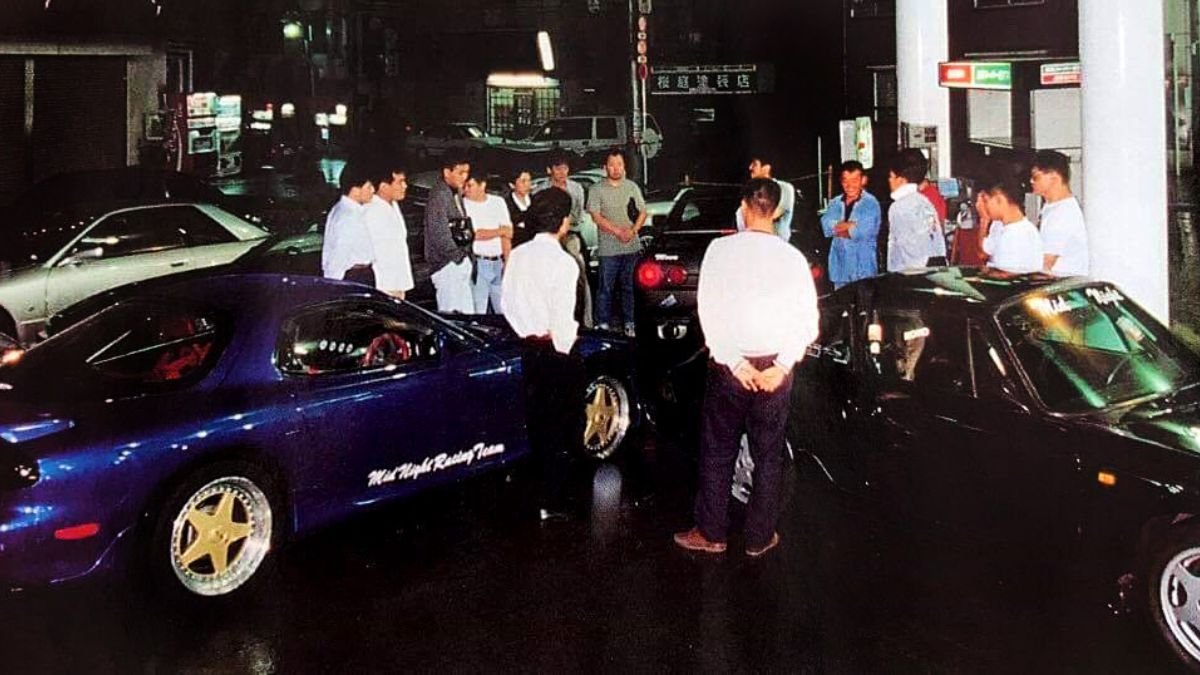
If you've ever delved into the lore of Japanese car culture, you've likely heard whispers of a secretive, elite group of street racers who dominated the highways of Tokyo in the 1980s and 90s. They weren't drifting mountain passes or running quarter-miles at stoplights. They were chasing absolute top speed on the Bayshore Route. They were the Mid Night Club.
Who Were Mid Night Club?
Formed in 1987, the Mid Night Club (often stylized as Mid Night Racing Team) was an illegal street racing syndicate that operated primarily on the Shuto Expressway, specifically the Wangan route. Unlike typical street gangs, Mid Night was highly organized, strictly governed, and incredibly exclusive.
To even be considered for membership, your car had to be capable of sustaining speeds over 250 km/h (160 mph). But speed alone wasn't enough. Apprentices had to attend all meetings for a year without missing one, and demonstrate impeccable driving etiquette. Endangering civilian traffic was grounds for immediate expulsion. Because of these strict rules, the club rarely exceeded 30 members at any given time.
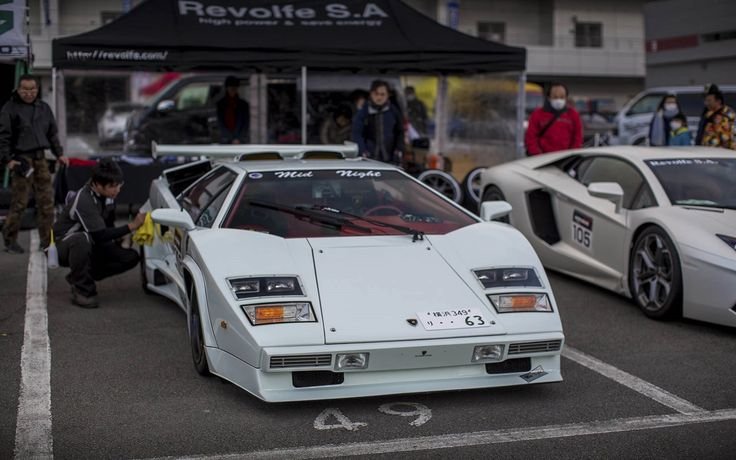
The secretive gatherings of the Mid Night Club were legendary in the Tokyo underground.
The Wangan: Japan's High-Speed Playground
The Wangan (Bayshore Route) is a stretch of toll highway in Greater Tokyo known for its long, straight sections and sweeping curves. In the dead of night, it became the ultimate testing ground for Japan's top tuning shops and the Mid Night Club's elite.
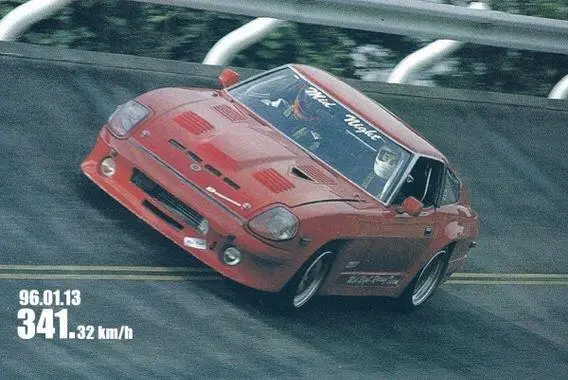
Races weren't simple point-A-to-point-B sprints. They were endurance runs at maximum velocity. Cars would routinely hit speeds exceeding 300 km/h (186 mph), weaving through sparse late-night traffic. The sheer mechanical stress of holding a highly tuned engine at wide-open throttle for minutes at a time meant that reliability was just as crucial as peak horsepower.
The Legendary Blackbird Porsche
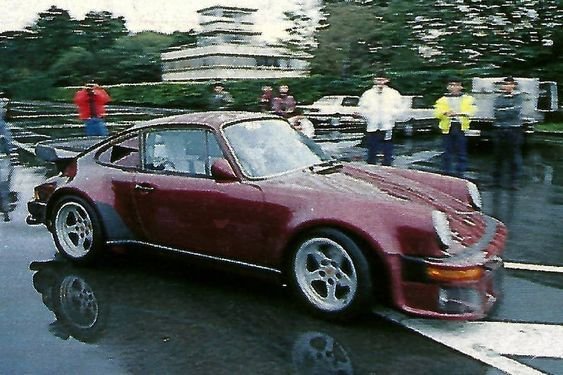
Perhaps the most famous vehicle associated with the Wangan racing scene is the "Blackbird" Porsche 930 Turbo. While popularized by the manga and anime Wangan Midnight, the fictional Blackbird was heavily inspired by a real Mid Night Club member's car: the Yoshida Specials 930.
Owned by Eiichi Yoshida, this heavily modified Porsche 930 Turbo was a terror on the highway. It featured extensive aerodynamic modifications, massive turbochargers, and was rumored to produce over 700 horsepower. It was one of the few cars capable of consistently breaking the 300 km/h barrier, making it a true king of the Wangan.
Famous Mid Night Club Cars
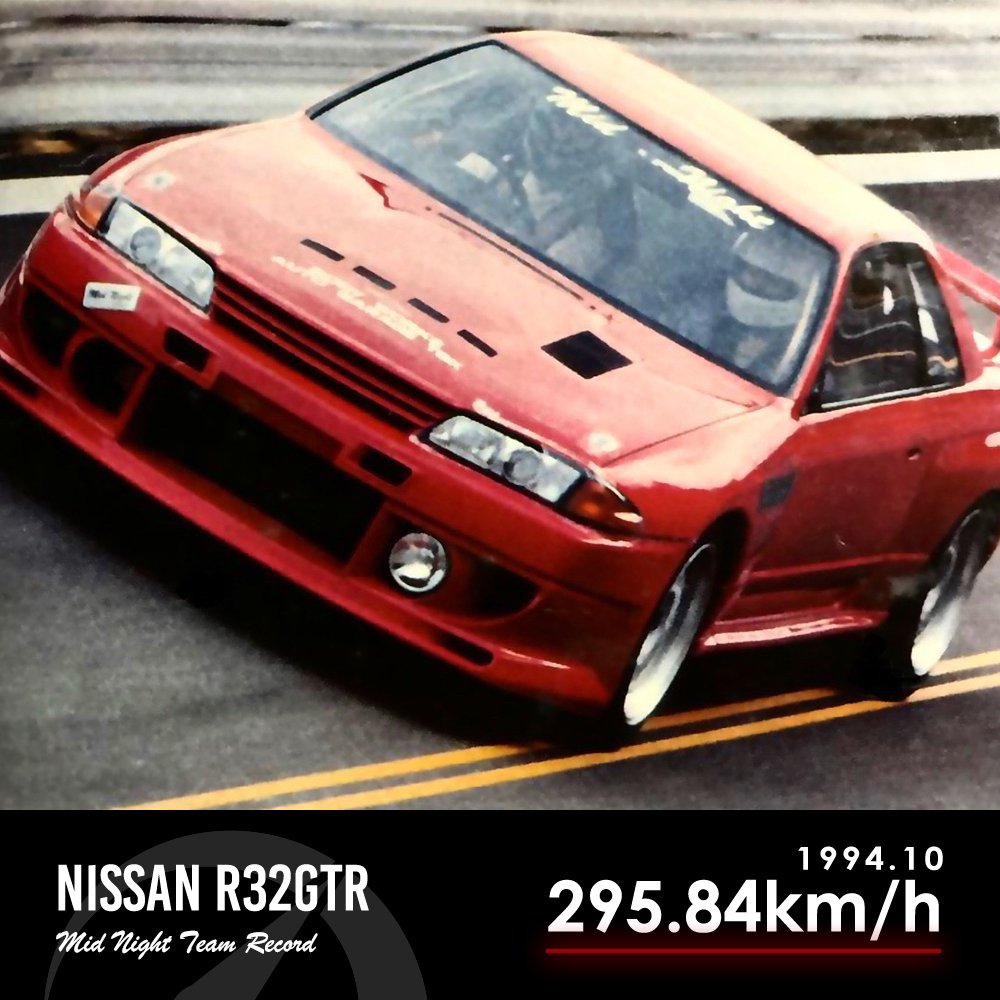
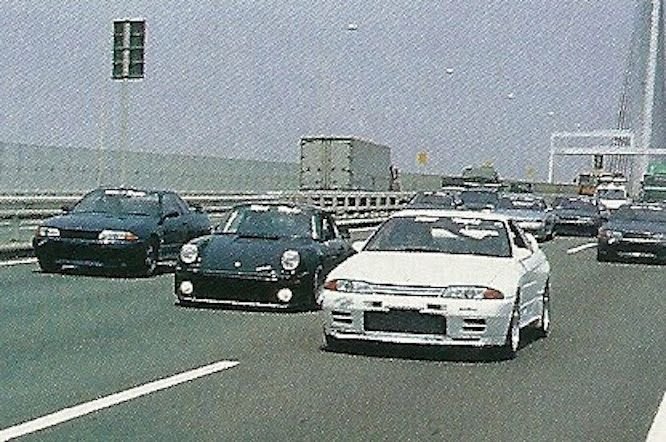
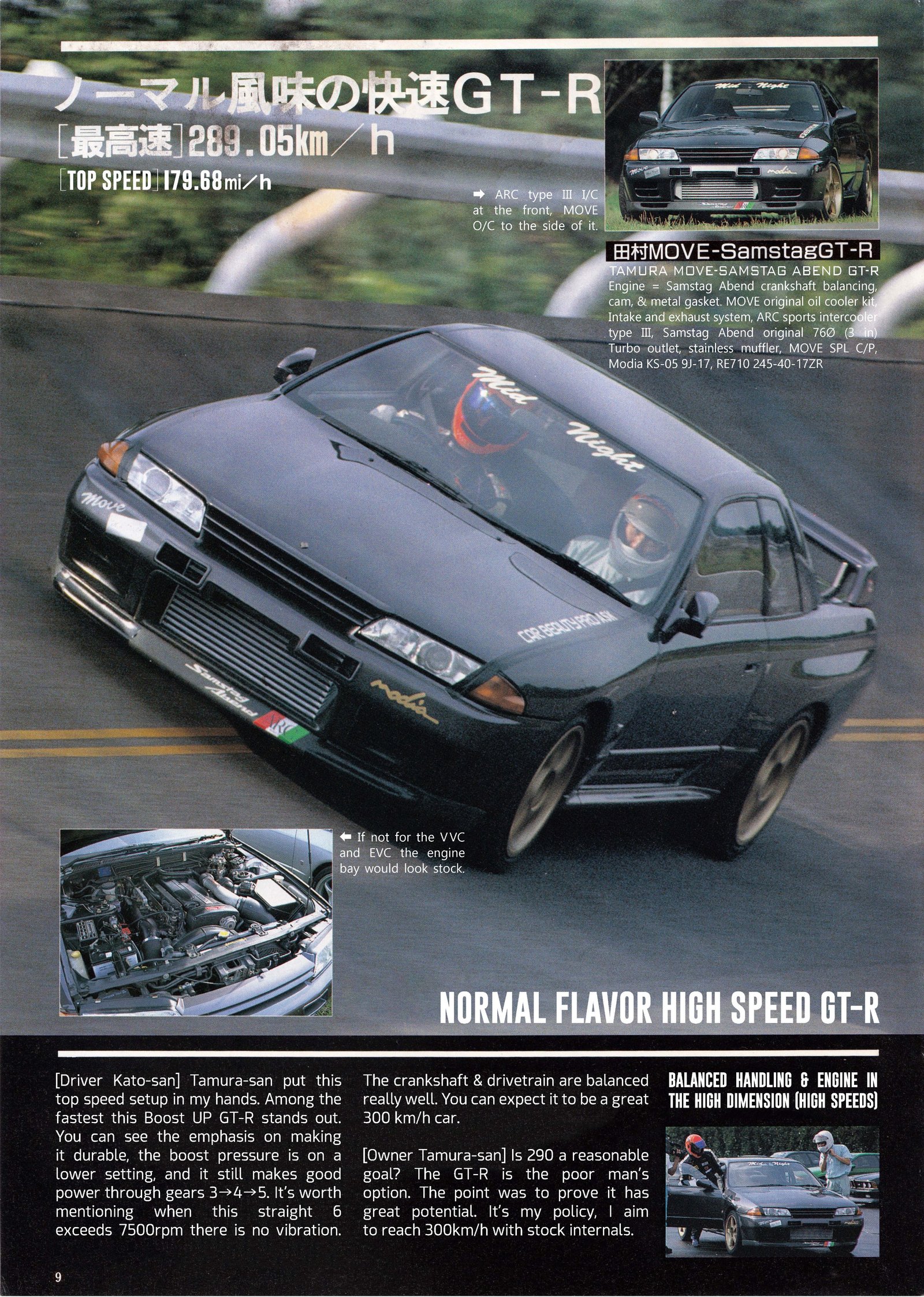
While the Porsche 930 was iconic, the club was a showcase of the golden era of Japanese tuning. The Nissan Skyline GT-R (R32 and R33) was a dominant force, thanks to its RB26DETT engine and ATTESA all-wheel-drive system, which provided unparalleled stability at high speeds.
Other notable machines included heavily tuned Toyota Supras, Mazda RX-7s, and Nissan Z-cars. These weren't just street cars; they were rolling testbeds for tuning houses like Top Secret, RE Amemiya, and Abflug. The data gathered during these illegal high-speed runs often directly influenced the development of aftermarket parts that enthusiasts still use today.
Culture, Community, and Legacy
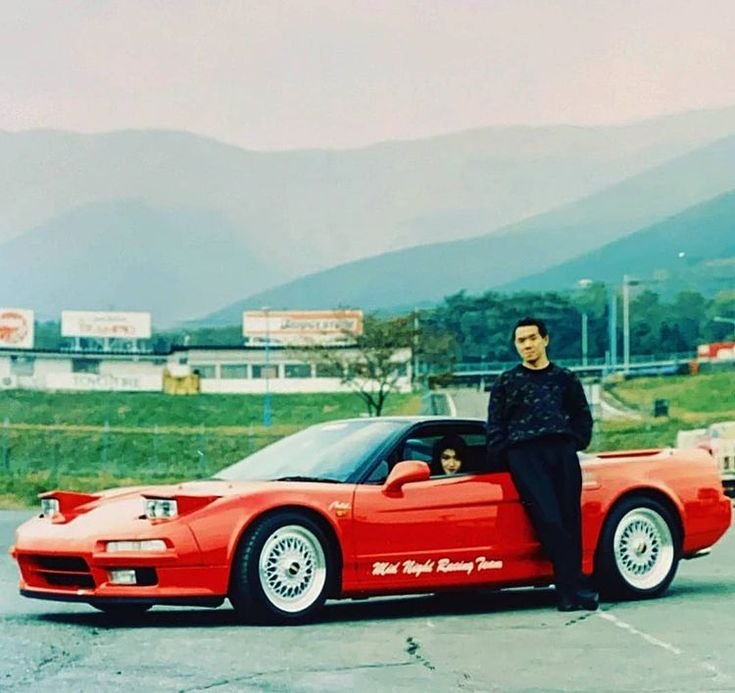
The Mid Night Club was bound by a strict code of honor. Members wore their rectangular bumper stickers with immense pride, and counterfeit stickers on non-member cars were often met with swift and aggressive removal by actual members. The club's secrecy was paramount; members rarely knew each other's real names or professions, referring to one another only by their cars.
The club's reign came to an abrupt end in 1999. According to legend, a confrontation with a Bōsōzoku (biker gang) escalated into a massive multi-vehicle accident on the highway, resulting in several injuries and civilian casualties. True to their founding principles—that endangering the public meant immediate disbandment—the Mid Night Club dissolved overnight.
Today, the Mid Night Club remains a mythic chapter in automotive history. It represents an era of analog tuning, immense bravery (or foolishness), and a pure, unadulterated pursuit of speed that we will likely never see again. Their legacy lives on in the tuning culture they helped forge and the legends that continue to echo down the Wangan.